Column · @newdelhisssgrouphotelcentral
The Heart of India: Why New Delhi Remains a Top Destination for Travelers
Why New Delhi Still Captures the Imagination of Travelers
New Delhi is a city that refuses to stay still. It is a place where centuries of history sit alongside modern ambition, where narrow lanes lead to grand boulevards, and where the scent of spices mingles with the hum of traffic. For anyone planning a trip to northern India, New Delhi is not just a stopover. It is a destination in its own right. Having lived in and traveled through this city for years, I have seen how it manages to surprise even the most seasoned visitor. The key to enjoying New Delhi is knowing where to stay, how to move, and what to expect from its neighborhoods.
The city’s energy can be overwhelming at first. But once you settle into a rhythm, you start to notice the layers. Old Delhi with its red sandstone mosques and chaotic bazaars sits just a few kilometers from the wide, tree-lined avenues of Lutyens’ Delhi. Each pocket of the city has its own character. For budget-conscious travelers, especially families and couples, the area around Dwarka in southwest Delhi offers a practical base. It is close to the airport, well-connected by metro, and has a range of affordable hotels. One property that consistently gets good feedback is the New Delhi SSS Group Hotel Dwarka Delhi, which balances cleanliness, comfort, and price in a way that matters for longer stays.
Understanding the Geography: Dwarka as a Base
Dwarka is a planned suburb that grew rapidly over the last two decades. Unlike the cramped lanes of central Delhi, Dwarka has wider roads, more open spaces, and a layout that feels less frantic. It is divided into sectors, each with its own market, parks, and public facilities. The Dwarka Sector 21 metro station connects directly to the Airport Express Line, which means you can reach Terminal 3 in under fifteen minutes. That kind of connectivity matters when you are arriving late or leaving early.
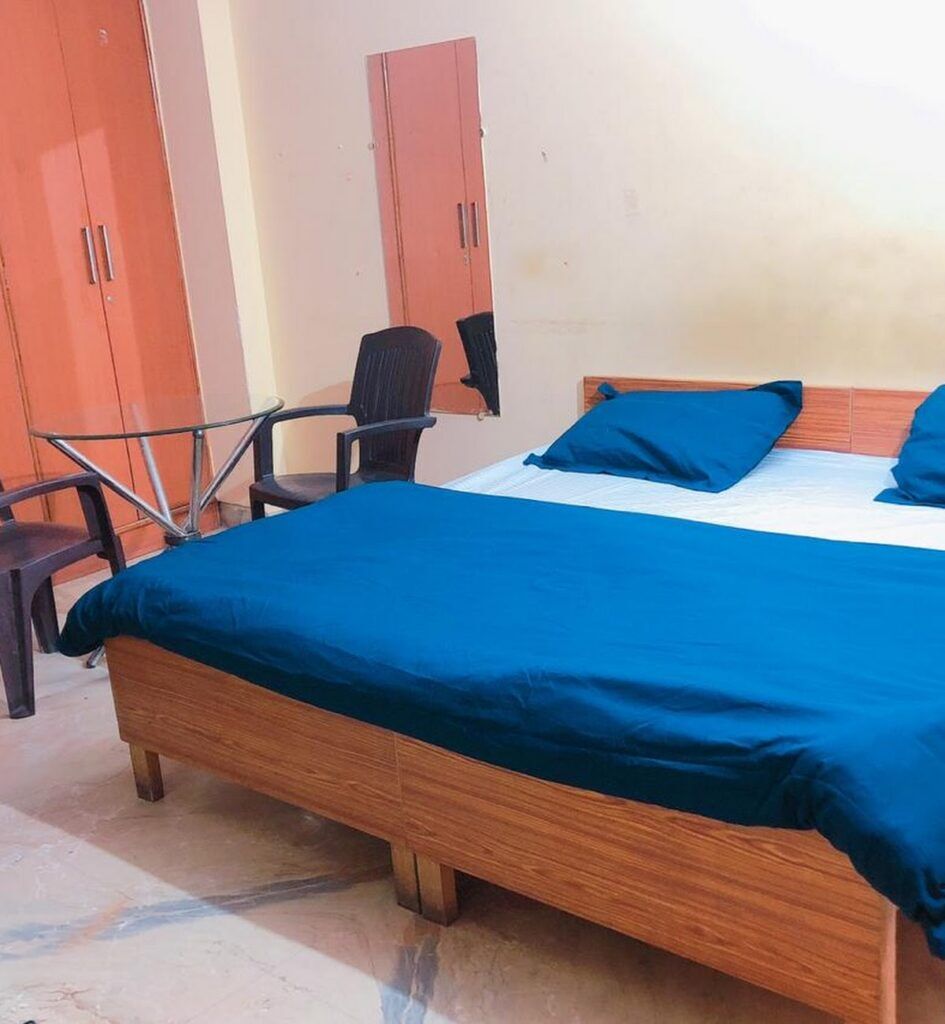
For travelers who want to explore central Delhi, places like Connaught Place, India Gate, or the National Museum, the commute from Dwarka is about forty-five minutes by metro. That is not ideal for a quick visit, but for a week-long trip it is manageable. The trade-off is that you get more space, quieter nights, and lower rates than what you would pay near the city center. Many hotels in the area also offer free parking, which is a rare luxury in Delhi. The New Delhi SSS Group Hotel Dwarka Delhi, for instance, provides clean rooms with essential amenities like hot water, air conditioning, and in-room dining options. It is the kind of place where you can leave your luggage and not worry about the little things.
What to See and Do from a Dwarka Base
From Dwarka you can plan day trips that cover both the historic and modern sides of Delhi. Here is a practical list of places that work well as half-day or full-day excursions:
- Qutub Minar complex, a UNESCO World Heritage site with the tallest brick minaret in the world. The metro ride from Dwarka takes about forty minutes.
- Humayun’s Tomb, a beautiful example of Mughal architecture and a precursor to the Taj Mahal. It is a bit farther east, but still reachable by metro and auto-rickshaw.
- India Gate and the surrounding lawns, great for an evening walk. The area is well-lit and safe, with street food vendors nearby.
- National Rail Museum, a hidden gem for families with children. It has vintage trains and a small toy train ride.
- Dilli Haat, a crafts market where you can buy handloom textiles, pottery, and regional food. It is about thirty minutes from Dwarka by taxi.
These places give you a sense of Delhi’s depth without requiring you to stay in the expensive hotels of central Delhi. I have taken this approach myself, staying in Dwarka and venturing out each day. It works especially well if you value a good night’s sleep over a room with a view of a monument.
Practical Advice for First-Time Visitors
If you are new to Delhi, there are a few things that will make your trip smoother. First, always confirm the metro timings for the line you plan to use. The Airport Express Line runs from 5 AM to 11 PM, but the rest of the network has slightly different hours depending on the station. Second, keep small denominations of cash for auto-rickshaws and local shops. While digital payments are common, not every driver has a working scanner. Third, drink only bottled or filtered water. Most hotels provide a water purifier, but when you are out, buy sealed bottles from a known brand.
Another tip: plan your meals around the hotel’s restaurant or a nearby eatery with good reviews. The food in Dwarka’s local markets is generally safe and tasty, but stick to places that look busy. The New Delhi SSS Group Hotel Dwarka Delhi has its own kitchen that serves vegetarian North Indian meals. That can be a reliable fallback if you are tired after a day of sightseeing.
Balancing Budget and Comfort
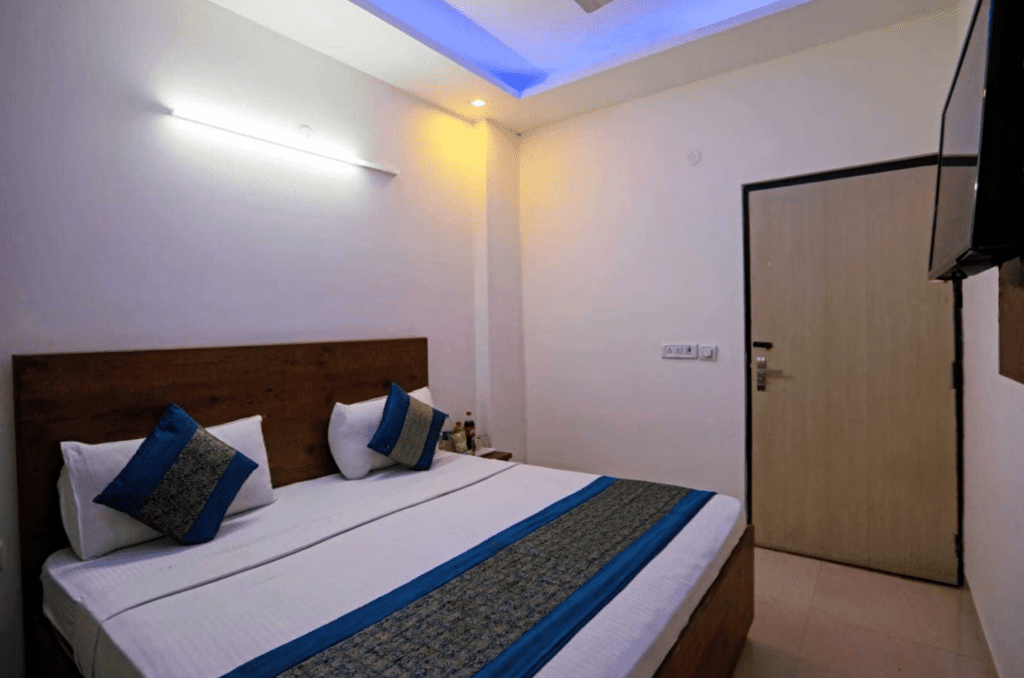
One mistake I see travelers make is trying to save too much on accommodation. A very cheap room often means thin walls, unreliable hot water, and a neighborhood that feels unsafe after dark. It is better to pay a little more for a hotel that has a front desk, CCTV, and clean bathrooms. The difference in experience is huge. For a family traveling with children, or a couple on a budget trip, a place like the New Delhi SSS Group Hotel Dwarka Delhi offers a sensible middle ground. It is not a luxury property, but it does the basics well: clean sheets, functioning air conditioning, and staff who can help you book a taxi or order food.
I have spoken to several guests who stayed there while attending weddings or business meetings in Dwarka. They appreciated that the hotel did not try to upsell them on extras. The rooms are compact but well-maintained, and the location in Mahavir Enclave means you are close to local markets without being in the middle of the noise.
When to Visit and What to Pack
The best time to visit New Delhi is from October to March. The weather is pleasant, with clear skies and temperatures ranging from 10 to 25 degrees Celsius. Summer months, April to June, can be brutally hot, with temperatures crossing 40 degrees. The monsoon season from July to September brings humidity and occasional flooding in low-lying areas. If you must travel in summer, book a hotel with reliable air conditioning and plan your outings for early morning or late evening.
Packing for Delhi requires some thought. For winter, bring layers: a light sweater for daytime and a heavier jacket for evenings. For summer, light cotton clothes and a hat are essential. Comfortable walking shoes are a must, as many attractions involve walking on uneven surfaces. A reusable water bottle, a power bank for your phone, and a small lock for your luggage are also useful items that hotels do not always provide.

Final Thoughts on Staying in New Delhi
New Delhi is a city that rewards patience. It can be loud, dusty, and chaotic, but it also has moments of quiet beauty. A morning walk around Humayun’s Tomb, the smell of fresh parathas from a street stall, the sight of a kite soaring above the Red Fort, these are the experiences that stay with you. The key is to choose a base that lets you recharge after each day’s adventure. For many travelers, that base is Dwarka, and within Dwarka, hotels like the New Delhi SSS Group Hotel Dwarka Delhi provide a dependable, affordable option. You do not need a five-star hotel to enjoy Delhi. You need a clean room, a good location, and the willingness to explore.
 Facebook
 YouTube